The Scandola Nature Reserve in Corsica is an exceptional place where the sea meets the land to create a landscape unlike any other in the world
THE SCANDOLA NATURE RESERVE, A SANCTUARY AT THE END OF THE WORLD
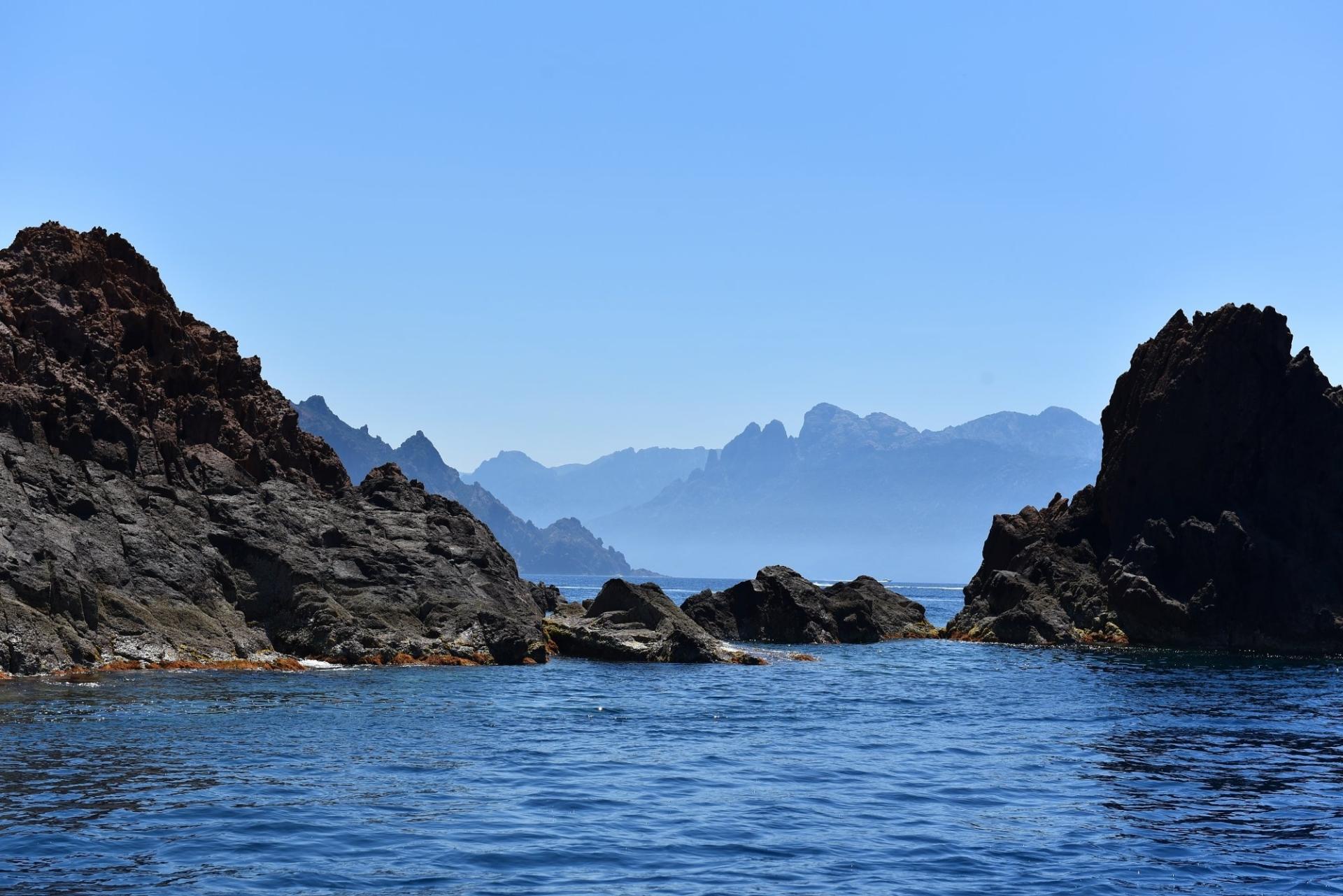
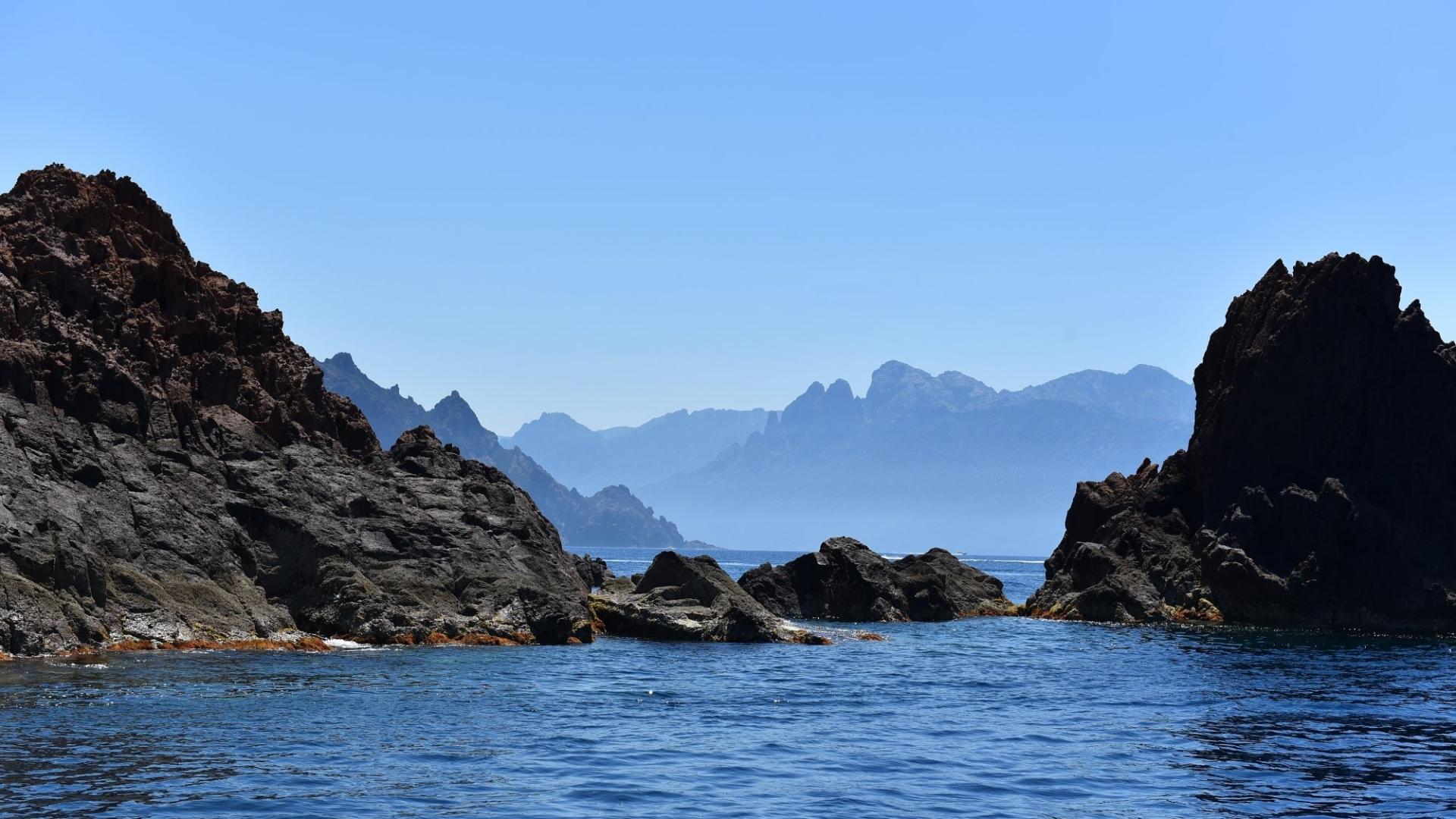
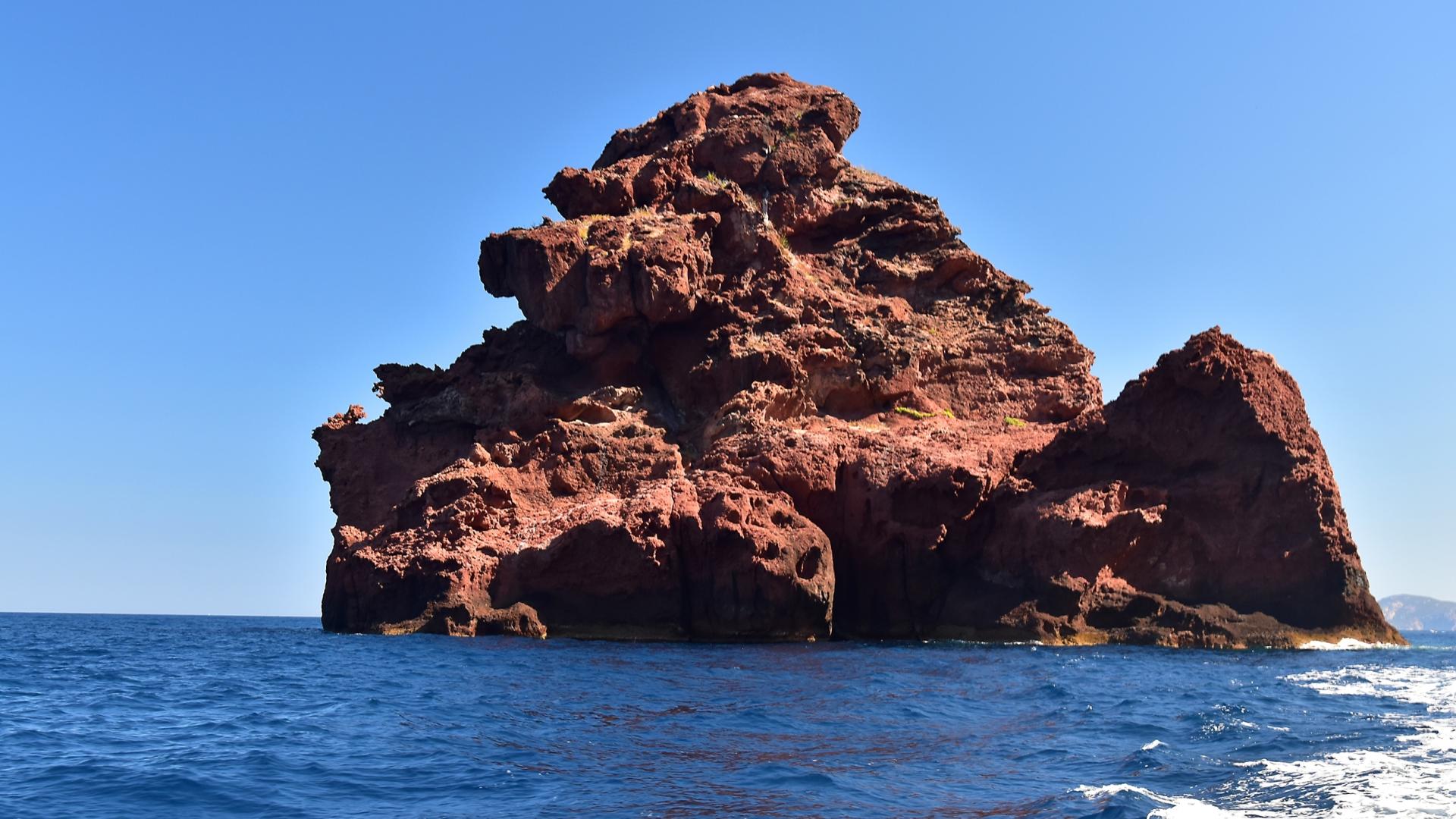
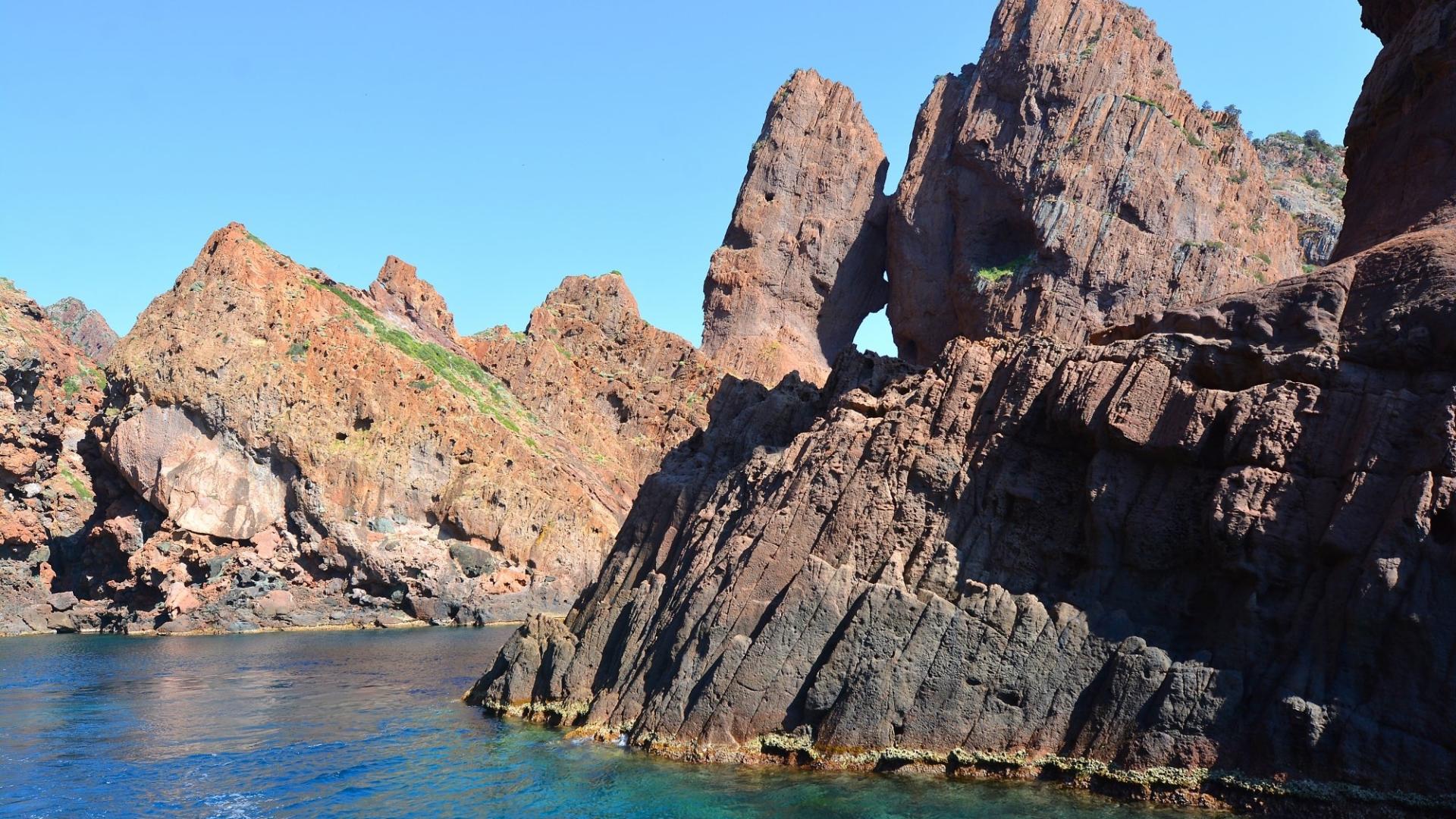
There are places that immediately stand out as obvious choices. The Scandola Nature Reserve is one of them. Perched on the west coast of Corsica, forty kilometers south of Calvi, this red porphyry peninsula plunges into a sea of an almost unreal blue. The cliffs, sculpted by millions of years of volcanic erosion, form a chaotic landscape of columns, arches, and caves that only the sea can truly reveal.
Designated a UNESCO World Heritage Site in 1983, Scandola is one of the few nature reserves in Europe accessible only by sea or on foot. No roads, no buildings, no engine noise on land—just rock, wind, and water. This total protection, established as early as 1975, has allowed the ecosystem to regenerate spectacularly. In fifty years, fish populations have increased fivefold in some areas—an extremely rare occurrence in the Mediterranean.
EXCEPTIONAL BIODIVERSITY
Beneath the surface, the reserve is a living laboratory. The seafloor is home to populations of brown groupers, moray eels, corbs, and snappers in such high densities that divers from around the world come to observe them. Posidonia seagrass beds—the “lungs of the Mediterranean”—cover the sandy seabed at depths ranging from five to thirty meters.
On the surface, the osprey—Scandola’s iconic bird of prey—surveils its territory from the granite ledges. About twenty pairs nest here each year, making the reserve one of the last Mediterranean refuges for this endangered species. Dolphins are never far away, especially in the morning, when the sea is still as smooth as a mirror.
On the rocky cliffs, the maquis clings with remarkable tenacity. Strawberry trees, tree heath, rockroses, and mastic trees form a dense, fragrant carpet that sometimes extends right down to the water’s edge. In the spring, the blooms transform the cliffs into multicolored scenes of striking beauty.
WHEN TO VISIT SCANDOLA?
The reserve is open year-round, but each season offers a different experience. In spring, the light is soft, the sea is calm, and the vegetation is bursting into bloom. In summer, the water reaches 26°C, and underwater visibility sometimes exceeds thirty meters. In fall, the low-angled evening light sets the porphyry ablaze with an extraordinary copper hue. Finally, in winter, the reserve returns to absolute silence, broken only by the cries of seabirds.
Light plays a special role in Scandola. At sunrise, the porphyry turns a burnt orange. At day’s end, the sea caves fill with a turquoise light that seems to come from nowhere. It is at these hours that the reserve reveals its full, boundless splendor.
HOW TO VISIT SCANDOLA?
Since the reserve is off-limits to the general public by land, the only way to get close to its cliffs, caves, and coves is by sea. Calvi Aventure takes you to the heart of the reserve aboard a 12-passenger RIB, departing from the port of Calvi. A boat trip to Scandola that will stay with you long after you return to the dock.